

Clapham Common is one of South London’s most valued open spaces.
Every day, it provides room to exercise, gather, reflect and celebrate. From morning dog walks to summer concerts, it plays a central role in community life.
But while the Common takes care of us, who takes care of the Common?
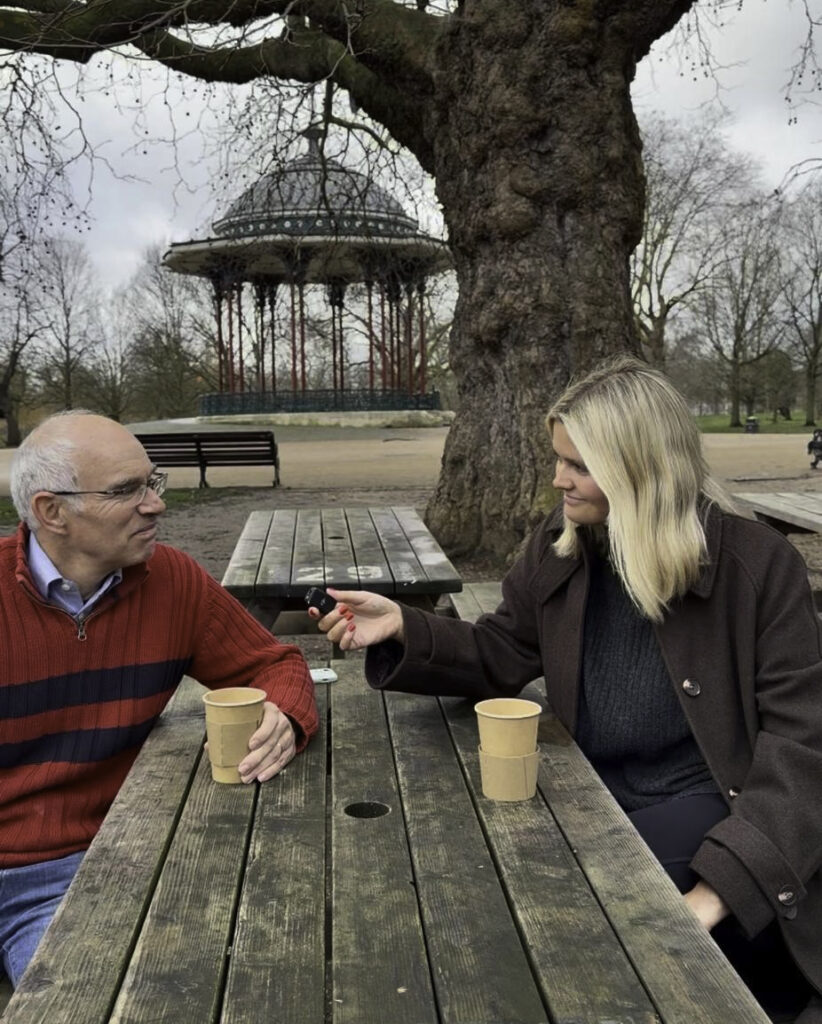
Klara, representing Best of Clapham, recently spoke with Adrian, Chair of the Clapham Common Management Advisory Committee (CCMAC), about the committee’s role and its priorities for the year ahead.
“We sit between the council and the community.”
Klara: Adrian, for those unfamiliar with CCMAC, could you explain what it is and what it does?
Adrian: CCMAC is the official advisory body that sits between Lambeth Council and the community who use and enjoy Clapham Common.
Our role is to represent the interests of residents and stakeholders, while working constructively with the council to ensure the Common is managed responsibly and sustainably.
A representative committee
Klara: Who makes up the committee?
Adrian: We have ten elected representatives who reflect a broad spread of ages, ethnicities, genders and interests connected to the Common.
In addition, three councillors are appointed by Lambeth Council, alongside representatives from three key stakeholder organisations:
This structure ensures a wide range of perspectives are considered in decisions affecting the Common.
Priorities for 2026
At its recent Annual Meeting, CCMAC set out its key priorities for the coming year. These focus on practical improvements and long-term sustainability.
Waste management
Klara: Waste has become a visible issue in recent years. How is CCMAC addressing this?
Adrian: Since COVID, the number of people using the Common has increased significantly. Unfortunately, so has the volume of waste.
At the same time, Lambeth faces ongoing budget constraints, placing pressure on waste management services. We are working collaboratively with the council to identify practical solutions that address increased usage while recognising financial realities.
Repairing and protecting the tarmac paths
Klara: The condition of the paths has been raised frequently by residents. What action is being taken?
Adrian: The deterioration of the tarmac paths is a serious concern. While they were traditionally used by pedestrians and cyclists, they are increasingly driven over by heavy waste collection vehicles and delivery trucks servicing cafés on the Common.
This has led to potholes, surface collapse and water pooling — creating hazards, particularly in low light conditions.
Historically, Lambeth Council would have funded these repairs. However, due to financial pressures, this is no longer always possible.
CCMAC receives 20% of revenue generated from commercial events held on the Common through the Parks Investment Levy. A significant proportion of this funding is being allocated to path repairs.
- The first phase of works will begin in April.
- A second phase is planned for late autumn or early winter.
Path repairs are currently CCMAC’s primary investment priority.
Updated signage for a shared space
Klara: There is currently very little signage across the Common.
Adrian: Over the past few years, outdated signage has been removed. We are now working with Lambeth and other stakeholder groups to introduce updated signage that clearly communicates expectations.
This will include guidance on:
- Barbecue restrictions during high summer
- Responsible cycling
- Clear separation of pedestrian and cycle routes
The aim is to maintain a welcoming environment while ensuring users understand their responsibilities in protecting the space.
Community-led bandstand concerts
For over five years, CCMAC has organised the summer bandstand concert programme.
The programme includes jazz, big bands and a variety of other musical performances. It is coordinated by committee members and supported by volunteers. Performers contribute a small fee, but the initiative remains community-led and focused on accessible cultural activity within the Common.
Improvements near the Pear Tree Café
Earlier this year, refurbished public toilets near the Pear Tree Cafe were welcomed by residents.
Klara: Was CCMAC involved in this project?
Adrian: Yes. CCMAC is consulted on lease renewals across the Common. When the Pear Tree Café lease was renewed, there was an opportunity to refurbish the adjacent toilet block.
As part of the redesign, the number of women’s cubicles was increased from two to five – addressing a longstanding shortage of facilities in that area.
While further improvements are still needed across the Common, this represents a meaningful step forward.
The role of commercial events
Clapham Common’s events site has been in use for decades, hosting everything from community gatherings to major concerts, including performances by Madness.
Klara: Large-scale events can generate mixed opinions within the community. How does CCMAC approach this?
Adrian: Events inevitably bring challenges, including ground wear, litter and disruption. It is important to acknowledge those concerns.
However, without events there would be no Parks Investment Levy – the 20% revenue share that directly funds improvements across the Common.
Significant future investment in infrastructure, repairs and enhancements depends on that funding stream. Larger events generate greater contributions.
Our role, alongside Lambeth Council and stakeholder groups, is to strike the right balance between protecting the Common and ensuring it has the financial support needed to thrive.
Protecting the Common for the future
Clapham Common is more than a park. It is a shared civic space that serves thousands of people every week.
Through partnership, representation and careful allocation of resources, CCMAC works to ensure the Common remains safe, sustainable and welcoming for all.
Because while Clapham Common takes care of us, it also deserves careful stewardship in return.